Budget-Friendly Mold Remediation Services: Your Answer to a Healthier Environment
Affordable mold removal services play a vital role in maintaining a safe living environment. Mold can lead to significant health risks and weaken the structural integrity of homes. Fortunately, varied budget-friendly options are available to handle this issue successfully. Homeowners frequently ignore the signs of mold growth or underestimate its impact. Understanding the range of solutions available can help individuals to take proactive steps. What are these options, and how can one choose the right approach?
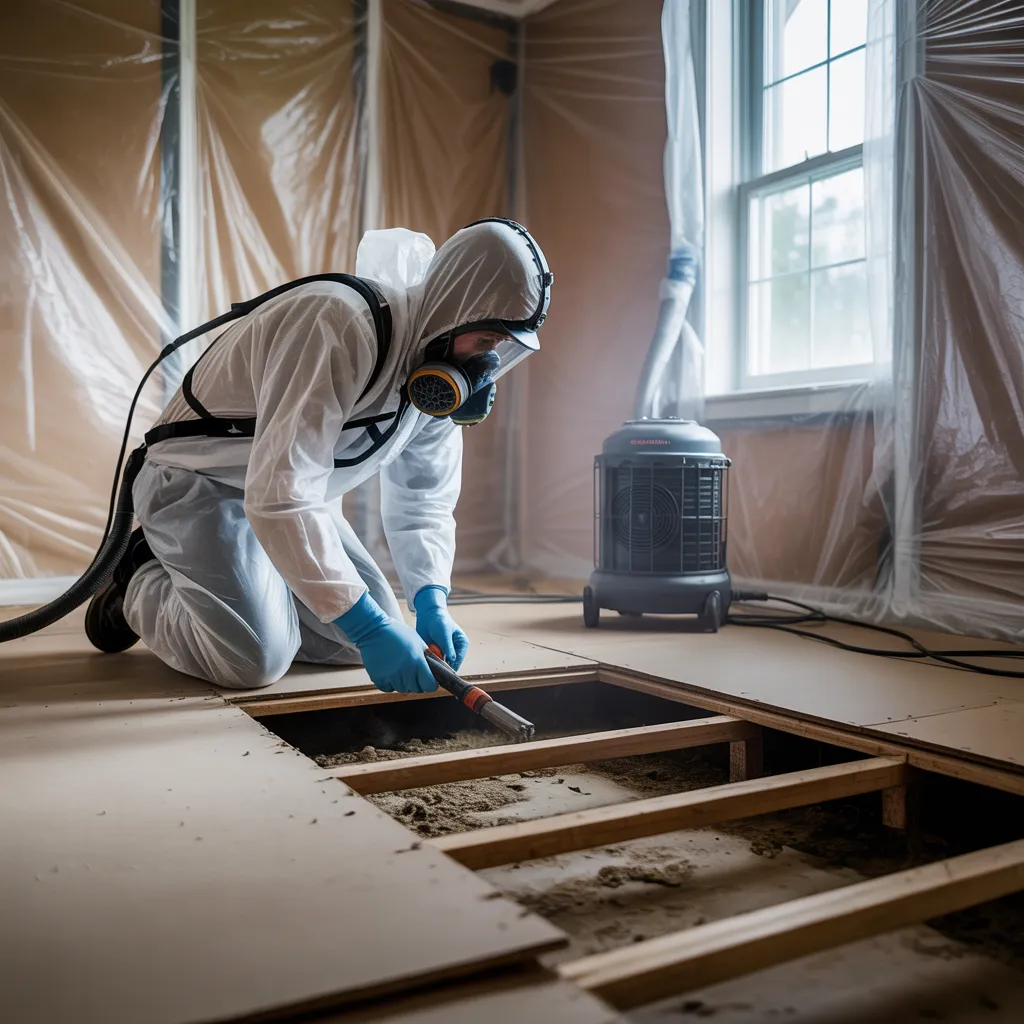
Indicators You Require Mold Remediation Services
How can homeowners spot the need for mold remediation services? Homeowners must remain attentive for several key warning signs. Visible mold growth, frequently appearing like dark spots or fuzzy patches, represents a main sign. In addition, lingering moldy smells within the house might point to concealed fungal growth. Rising allergic reactions among family members, like as coughing or coughing, might also suggest fungal growth. Homeowners should inspect areas prone to moisture, including as bathrooms, basements, and around water systems. Moisture stains on surfaces and overhead can further point toward potential fungal development. Moreover, peeling paint or wall coverings might reveal hidden moisture issues conducive to fungal growth. If some of such indicators are present, it is essential to property owners to take moves promptly. Ignoring these indicators might contribute toward greater extensive destruction plus increased remediation expenses. Getting professional assistance early can help guarantee a more lifestyle environment and safeguard property worth.

Learning about the Health Risks of Mold Exposure
Mold exposure can result in a range of health issues, such as respiratory problems and skin irritations. Specific groups, such as children, the elderly, and people with pre-existing conditions, are especially susceptible to these impacts. Understanding these risks is essential for advancing safety and health in environments where mold is present.
Routine Medical Issues
Despite being frequently overlooked, the health risks linked to mold exposure can be substantial and varied. Individuals exposed to mold may encounter breathing problems, including coughing, wheezing, and shortness of breath. Allergic responses, such as sneezing, itchy eyes, and skin rashes, are also prevalent. Extended exposure can aggravate asthma symptoms and lead to chronic sinusitis. In some cases, mold releases mycotoxins, which can result in more serious health problems, such as neurological symptoms and immune system suppression. Moreover, those with pre-existing conditions often face increased risks. Grasping these common health issues highlights the importance of prompt mold remediation, ensuring a more secure environment for all inhabitants and reducing possible lasting health consequences associated with mold exposure.
At-Risk Populations Impacted
Certain categories are particularly prone to the health risks related to mold exposure, demanding heightened awareness and precautionary steps. applicable information Those with pre-existing respiratory conditions, like asthma or chronic obstructive pulmonary disease, can experience exacerbated symptoms when exposed to mold. Children, whose immune systems are still developing, are particularly susceptible to respiratory issues and allergic reactions. Older adults, who commonly have weakened immune systems, likewise face heightened risks. Moreover, pregnant women might experience complications that impact both their own health and that of their unborn baby. People with compromised immune systems caused by illnesses like HIV/AIDS or certain drugs are at higher risk for severe infections. Understanding these vulnerable groups is key to implementing efficient mold remediation methods.
Affordable Mold Remediation Alternatives
Finding cost-effective and budget-friendly mold removal options is essential for property owners facing mold problems. Different methods can help minimize costs while guaranteeing thorough remediation. One option is to work with local neighborhood initiatives that offer assistance or grants for mold removal, particularly for families with limited budgets. DIY methods, such as using vinegar or baking soda, can also offer temporary relief for minor mold infestations.
Additionally, homeowners can uncover companies that concentrate on affordable solutions, which frequently provide package deals or discounts for larger assignments. Immediate action is essential to avert further damage and increased remediation fees.
Regular maintenance to ventilation systems and damp prevention in basements and bathrooms can reduce mold growth, leading to long-term savings. By exploring these economical solutions, homeowners can successfully address mold concerns without spending prohibitive expenses, promoting a healthier living environment for their families.
Tips for Picking Reliable Mold Removal Providers?
When picking reputable mold removal firms, reviewing credentials and certifications is essential for confirming professionalism. Additionally, the experience and expertise of the specialist can profoundly affect the success of mold remediation efforts. These factors allow homeowners form informed choices and sidestep possible complications.
Qualifications and Certifications
Choosing trustworthy mold remediation services relies heavily on the qualifications and accreditations of the experts involved. It is crucial to confirm that specialists are accredited by respected organizations such as the Institute of Inspection, Cleaning, and Restoration Certification (IICRC) or the National Organization of Remediators and Mold Inspectors (NORMI). These certifications demonstrate a commitment to professional guidelines and best practices. Additionally, professionals should have pertinent experience in mold remediation techniques and safety protocols. Permits may also be required depending on local regulations, additionally ensuring responsibility and compliance. Verifying for coverage protects property owners from possible liabilities during the remediation procedure. Ultimately, comprehensive due diligence on credentials fosters assurance in the selected mold removal provider.
Background and Expertise
Experience and expertise function as essential criteria in the search for dependable mold removal services. Companies with an established track record often exhibit their capability to handle diverse mold issues effectively. Evaluating the length of a service provider's business activity in the industry can uncover their knowledge with different mold types and treatment techniques. Additionally, expertise in environmental safety standards and best practices is crucial, as improper handling can exacerbate health risks. Potential clients should seek testimonials and case studies that showcase successful remediation projects. Engaging with certified professionals ensures that the service provider not only possesses the necessary skills but also adheres to industry regulations, providing peace of mind and a cleaner environment for all.
DIY versus Professional Mold Remediation
While many property owners may consider tackling mold removal themselves, the choice between DIY and professional services can greatly impact both health and property. DIY methods often involve readily available household cleaners, which may appear cost-effective. However, these techniques can be inadequate for extensive mold outbreaks, potentially leading to incomplete removal and recurring issues.
Professionals, conversely, have expert instruction and equipment that guarantee thorough remediation. They can detect underlying moisture sources and employ advanced techniques to remove fungal growth successfully. Additionally, professionals are equipped to handle the health risks linked to mold exposure, protecting both the inhabitants and the property.
Ultimately, while DIY options might appear appealing for minor issues, widespread pest infestations warrant the competence of qualified experts to promise complete removal and long-term safety. Putting money into expert services can avert recurrent issues and maintain a healthier living environment.
Tips for Stopping Future Mold Development in Your Home
After handling mold issues, homeowners should focus on preventive measures to avoid future growth. First, maintaining ideal humidity levels is important; indoor humidity should be set between 30% and 50%. Utilizing dehumidifiers in moist regions, such as basements, can greatly reduce moisture.
Consistently checking and fixing water damage in roofs, plumbing, and windows stops water accumulation, which fosters mold growth. Additionally, guaranteeing adequate airflow in bathrooms and kitchens enhances air circulation, further reducing humidity.
Homeowners should also routinely clean and dry areas inclined to moisture, such as shower curtains and sink traps. Utilizing mold-resistant products, including paints and building materials, can offer an extra layer of defense.
Finally, maintaining clean gutters and ensuring proper drainage around the foundation will assist in preventing water from seeping into the home. By applying these methods, property owners can create a mold-resistant environment and preserve a more healthy home environment.
Commonly Asked Questions About Frequent Topics
What Timeframe Should You Anticipate for the Mold Remediation Process?
The mold removal process generally takes between one to seven days, depending on the extent of the contamination and the size of the contaminated space. Factors such as drying and repair work can extend the timeline.
Am I covered by my insurance for mold remediation fees?
Protection related to mold remediation expenses varies across different policies. Typically, it could be covered if mold stems from a covered event. Property owners need to consult their insurance company regarding detailed information regarding their protection.
What Types of Mold Are Most Commonly Found in Houses?
Common varieties of mold found in homes consist of Aspergillus, Cladosporium, and Stachybotrys (black mold). These fungi thrive in moist conditions and can present health risks, making identification and remediation crucial for a healthy living space.
Is it possible to remain in My Home During Mold remediation?
During the mold removal, it is generally advised to leave your residence, especially in severe cases. Professionals assess safety risks, guaranteeing minimal exposure to harmful spores, which can result in health problems for residents.
How Can I Confirm if Mold Removal Was Effective?
To determine if mold removal was accomplished, one should examine for lingering odors, visible mold, and moisture levels. Conducting air quality tests and ensuring comprehensive review by specialists can confirm the efficiency of the remediation process.